


Why do 70% of teams still struggle with manual task tracking despite paying for expensive software? This massive gap between high costs and poor results creates deep frustration for many business leaders today.
Many organizations fall into the trap of choosing platforms based on simple aesthetics or brand names. However, the professional landscape has shifted significantly as we approach the start of 2026.
The most effective software now prioritizes workflow automation over a pretty interface. Modern systems must perform the heavy lifting to ensure your team remains productive and focused on growth.

Productivity optimization is no longer just a luxury buzzword for high-performing tech startups. It is a vital survival tactic for every scalable SaaS business looking to dominate their specific market.
As an automation strategist, I help companies find solutions that grow alongside their complex operations. We must embrace automated project management to stay competitive and eliminate routine, repetitive chores from our daily schedules.
Key Takeaways
- Prioritize software that focuses on automation first to save time.
- Select platforms based on functional results rather than just visual design.
- Reduce manual data entry to ensure your team stays focused on high-value work.
- Implement scalable SaaS solutions that grow with your business needs.
- Use modern systems to bridge the gap between expensive costs and actual output.
- Leverage intelligent features to eliminate the human error found in manual tracking.
The Shift Toward Automation-First Project Management
The increasing complexity of projects has necessitated a paradigm shift toward automation-first project management tools, enabling teams to streamline workflows and enhance collaboration. As projects become more intricate, manual management becomes increasingly impractical, leading to inefficiencies and potential errors.
Automation-first project management tools involve utilizing tools and software to automate repetitive tasks, thereby freeing up resources for more strategic and creative endeavors. This approach not only enhances productivity but also reduces the likelihood of human error, resulting in improved overall project outcomes.
By adopting automation-first strategies, organizations can achieve scalable growth and maintain a competitive edge in a rapidly evolving business landscape. The integration of SaaS automation tools plays a crucial role in this shift, offering flexible and scalable solutions that can be tailored to meet the specific needs of various projects.

The benefits of automation-first project management are multifaceted. Key advantages include:
- Enhanced efficiency through the automation of repetitive tasks
- Improved collaboration among team members through streamlined workflows
- Reduced errors resulting from manual interventions
- Scalable growth and adaptability in response to changing project requirements
| Benefits | Description | Impact |
|---|---|---|
| Enhanced Efficiency | Automation of repetitive tasks | Improved productivity |
| Improved Collaboration | Streamlined workflows | Better team coordination |
| Reduced Errors | Minimized manual interventions | Higher quality outcomes |
In conclusion, the shift toward automation-first project management is driven by the need for greater efficiency, productivity, and scalability. By leveraging SaaS automation tools and adopting automation-first strategies, organizations can optimize their workflows, reduce errors, and achieve sustainable growth in an increasingly competitive business environment.
ClickUp: The Best for All-in-One Automation
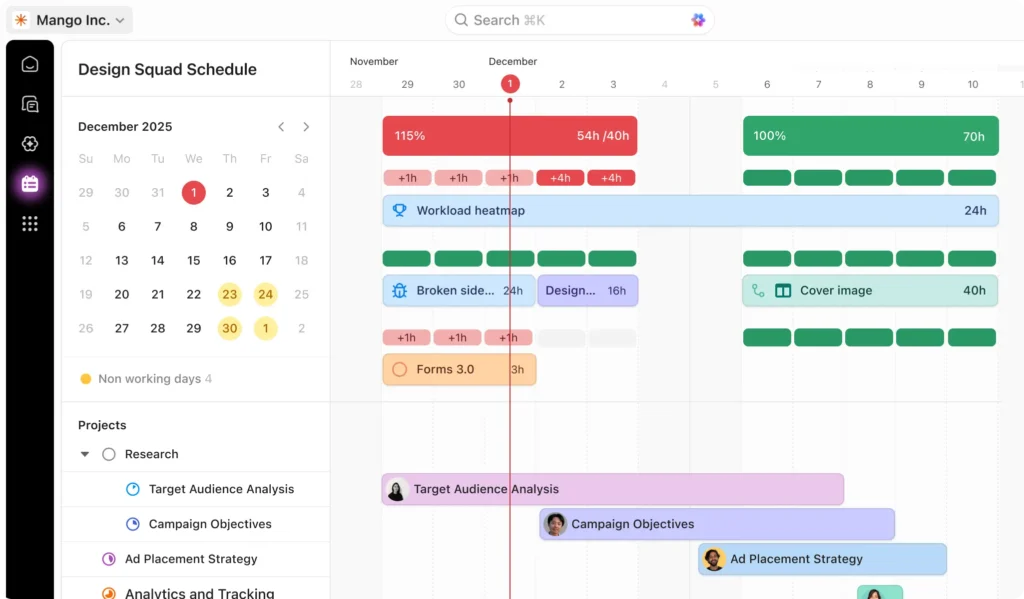
ClickUp stands out as a premier project management tool due to its comprehensive all-in-one automation capabilities. It offers a wide range of features that cater to task management, project planning, and team collaboration, making it an ideal choice for teams seeking to automate their workflows.
Core Features and Workflow Capabilities
ClickUp’s core features are designed to facilitate efficient project management. These include:
- Task management with customizable workflows
- Project planning tools for Gantt charts and calendar views
- Team collaboration features such as chat and file sharing
These features enable teams to manage their projects comprehensively, ensuring that all aspects of the project are well-coordinated.
Automation Capability: Native Integrations and API
ClickUp’s automation capability is significantly enhanced through its native integrations with various apps and services. Additionally, its API allows for custom integrations, enabling teams to automate complex workflows tailored to their specific needs.
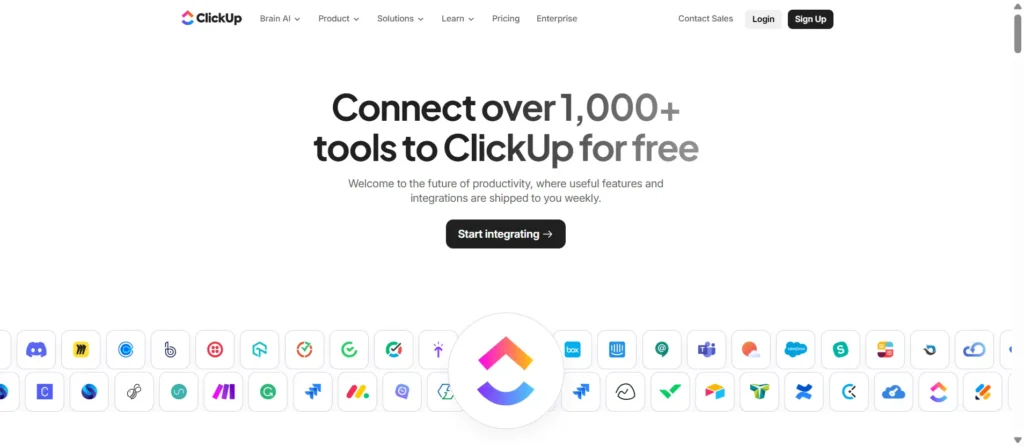
The native integrations cover a wide range of tools and services, from communication platforms to development tools, ensuring seamless connectivity across different applications. The API further extends this capability, allowing for the creation of custom automations that can significantly reduce manual effort and increase productivity.
While ClickUp is a powerhouse for automation, choosing between it and its closest rivals can be tough. If you’re stuck between the two biggest names in the space, check out our full ClickUp vs Notion comparison to see which one fits your specific workflow.
If ClickUp feels too overwhelming for your current team size, explore our curated list of powerful ClickUp alternatives to find a simpler starting point.
Notion: The Best for Flexible Productivity
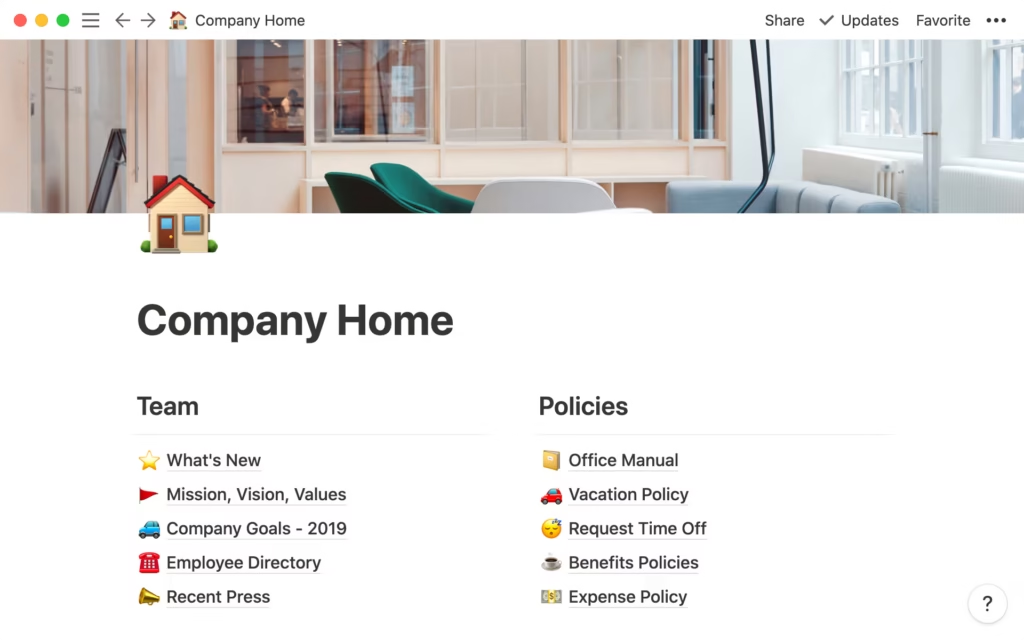
Notion’s flexible productivity framework allows teams to create customized workflows that fit their specific needs. This adaptability is crucial for teams that require tailored solutions to manage their projects effectively.
One of Notion’s standout features is its ability to customize databases, which is essential for creating automated workflows. By tailoring databases to specific project requirements, teams can streamline their operations and enhance productivity.
Customizing Databases for Automated Workflows
Notion’s database customization capabilities allow users to create tables, Kanban boards, calendars, and galleries that fit their workflow needs. This flexibility enables teams to visualize their projects in the most suitable format, thereby improving project tracking and management.
Key database customization features include:
- Customizable table fields for detailed project tracking
- Kanban boards for visualizing workflow stages
- Calendars for scheduling and deadline management
- Galleries for visual project asset management
Automation Capability: Zapier and Make.com Connectivity
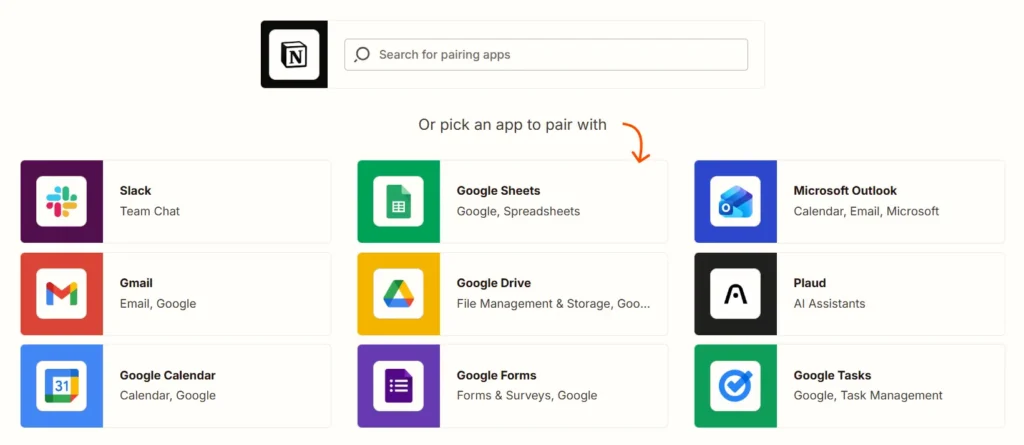
Notion’s automation capabilities are significantly enhanced through its connectivity with Zapier and Make.com. These integrations enable users to create complex automation workflows that connect Notion with other apps and services, thereby automating repetitive tasks and improving overall efficiency.
By leveraging Zapier and Make.com, teams can automate tasks such as data entry, notification sending, and task assignment, allowing them to focus on more strategic activities.
The combination of Notion’s flexible productivity framework and its automation capabilities through Zapier and Make.com makes it an ideal choice for teams seeking to optimize their workflows and enhance productivity.
Monday.com: The Best for Visual Teams

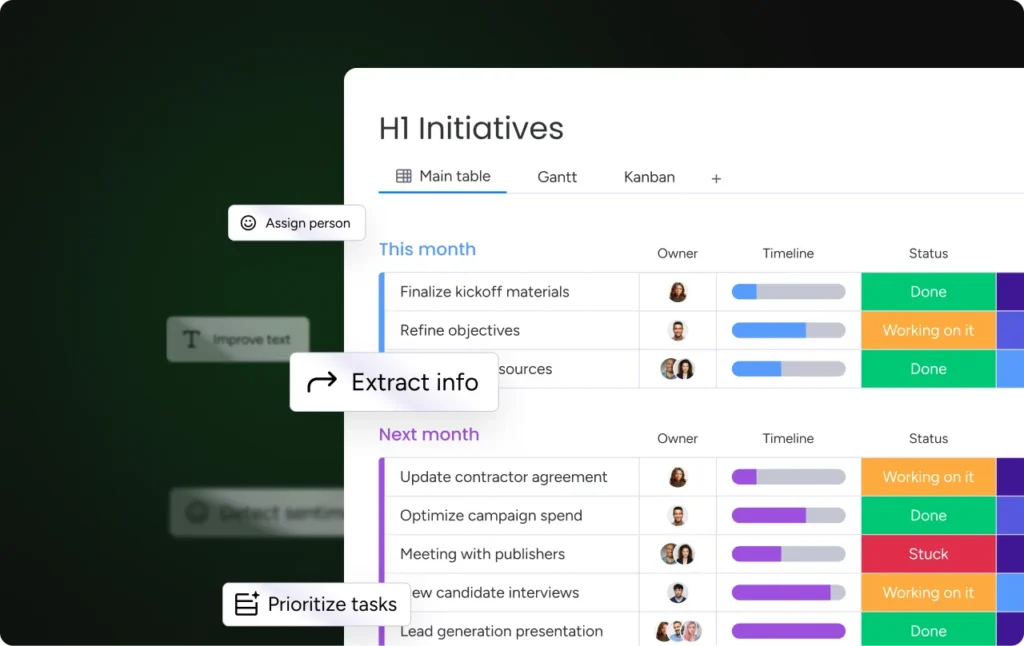
Visual teams can significantly benefit from Monday.com’s highly customizable and visually engaging work environment. This platform is designed to help teams visualize their projects in a way that is both intuitive and informative.
Visualizing Complex Project Pipelines
Monday.com excels in providing a visual representation of complex project pipelines. Its interface allows teams to track progress, identify bottlenecks, and make adjustments as needed. The platform’s flexibility in creating custom workflows and dashboards means that teams can tailor the tool to their specific needs.
The visualization capabilities of Monday.com are not limited to simple task management. It can handle complex projects with multiple dependencies and stakeholders, making it an invaluable tool for teams that need to coordinate across different departments or functions.
Automation Capability: Built-in Recipes and API Access
Monday.com’s automation capabilities are robust, featuring built-in recipes that simplify common automation tasks. Additionally, its API access allows for more complex customizations, enabling teams to automate workflows efficiently.
The built-in recipes cover a wide range of automation needs, from simple notifications to complex workflow automations. For more specialized requirements, the API access provides the flexibility to create custom integrations and automations.
| Automation Feature | Description | Benefit |
|---|---|---|
| Built-in Recipes | Pre-designed automation templates | Simplifies common automation tasks |
| API Access | Customizable API for complex automations | Enables tailored automation solutions |
| Custom Workflows | Ability to create unique workflows | Enhances team productivity and efficiency |
By leveraging Monday.com’s automation capabilities, visual teams can significantly reduce manual tasks, streamline their workflows, and focus on high-priority projects.
Jira: The Best for Software Developers
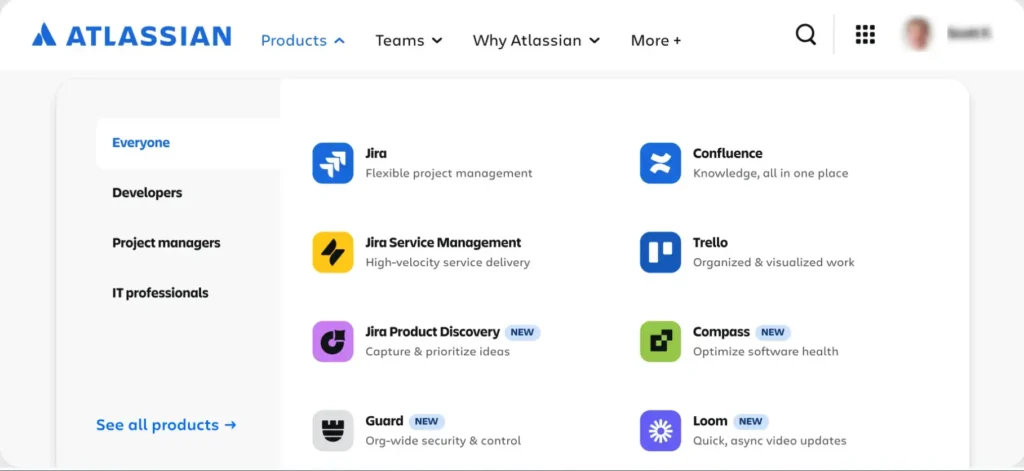
In the realm of software development, Jira is recognized for its robust capabilities in managing agile sprints and tracking technical debt. Its comprehensive feature set supports the complexities of software development, from project planning and issue tracking to release management.
Jira’s strength lies in its ability to adapt to the dynamic needs of software development teams. It offers a range of tools that facilitate agile project management, enabling teams to prioritize tasks effectively and manage their workflows with ease.
Managing Agile Sprints and Technical Debt
Jira excels in managing agile sprints, allowing teams to plan, track, and deliver projects efficiently. Its agile boards provide a clear visualization of the project’s progress, making it easier to identify bottlenecks and areas for improvement.
- Prioritize tasks based on project requirements and team capacity.
- Track sprint progress in real-time, making adjustments as needed.
- Manage technical debt by identifying and addressing issues promptly.
By utilizing Jira’s agile features, software development teams can enhance their productivity and deliver high-quality products. The tool’s flexibility in managing technical debt ensures that teams can maintain a clean and efficient codebase.
Automation Capability: Advanced Scripting and Webhooks
Jira’s automation capabilities are a significant advantage for software development teams. With advanced scripting and webhooks, teams can automate complex workflows, reducing manual effort and minimizing the risk of human error.
The use of automation scripting in Jira allows teams to create custom rules and actions tailored to their specific needs. Webhooks further enhance this capability by enabling real-time integration with other tools and services.
- Automate repetitive tasks to save time and reduce errors.
- Use webhooks to integrate Jira with other development tools and services.
- Create custom automation scripts to fit your team’s workflow.
By leveraging Jira’s automation features, software development teams can streamline their processes, improve collaboration, and focus on delivering high-quality software products.
Todoist: The Best for Simple Task Management
Todoist stands out as a premier task management tool for individuals and small teams seeking simplicity and efficiency. Its intuitive interface and robust features make it an ideal choice for those looking to streamline their workflow without getting bogged down in complex project management functionalities.
Streamlining Personal and Small Team Productivity
Todoist excels in simple task management, offering a clean and user-friendly interface that allows users to easily organize and prioritize their tasks. It is particularly beneficial for personal productivity and small teams, where straightforward task management is crucial.
The tool enables users to create and manage tasks, set deadlines, and track progress. Its simplicity does not compromise its capability, as it supports various productivity features such as labels, filters, and priority levels.
Automation Capability: Third-Party Syncing and API
Todoist enhances its functionality through third-party syncing and a robust API. Users can integrate Todoist with a variety of apps and services, automating tasks and workflows. This connectivity allows for a more streamlined and efficient productivity process.
The API provides developers with the tools to create custom integrations and automations, further extending Todoist’s capabilities. This flexibility makes Todoist a versatile tool that can adapt to various workflows and productivity needs.
By leveraging Todoist’s automation features, users can significantly reduce manual task management efforts, allowing them to focus on more critical tasks. The combination of simplicity, powerful features, and automation capabilities makes Todoist an excellent choice for those seeking to optimize their productivity.
Trello: The Best for Collaborative Boards

For teams seeking a collaborative and visual approach to project management, Trello’s boards offer an unparalleled level of flexibility and transparency. Trello’s Kanban boards allow teams to organize tasks and projects into boards, lists, and cards, making it easy to track progress and collaborate effectively.
Kanban Efficiency and Team Transparency
Trello’s Kanban framework is designed to enhance team productivity and transparency. By visualizing tasks on boards, teams can easily identify bottlenecks and areas for improvement. Key features include:
- Boards, Lists, and Cards: Organize tasks and projects visually.
- Drag-and-Drop Interface: Easily move cards across lists to update task status.
- Customizable: Tailor boards to fit your team’s specific workflow needs.
Trello’s visual interface is particularly beneficial for teams that prefer a more tangible representation of their workflow. By leveraging Trello’s Kanban boards, teams can achieve a higher level of transparency and collaboration.
Automation Capability: Butler Automation and Power-Ups
Trello’s automation capabilities are significantly enhanced through Butler automation and Power-Ups. Butler automation allows users to automate repetitive tasks by creating custom rules, buttons, and commands within their boards. Meanwhile, Power-Ups enable integrations with other apps and services, further extending Trello’s functionality.
Some key automation features include:
- Custom automation rules with Butler
- Integration with third-party apps via Power-Ups
- Enhanced productivity through automated task assignments and due dates
| Feature | Description | Benefit |
|---|---|---|
| Butler Automation | Custom automation rules and commands | Reduces manual task repetition |
| Power-Ups | Integrations with other apps and services | Extends Trello’s functionality |
| Customizable Boards | Tailor boards to fit specific workflow needs | Enhances team productivity and transparency |
Asana: The Best for Enterprise Workflows

Asana is renowned for its ability to support complex enterprise workflows, making it an ideal choice for large-scale organizations. Its comprehensive platform is designed to meet the intricate needs of enterprises, providing a scalable solution that enhances productivity and streamlines operations.
Scaling Operations Across Large Organizations
Asana’s strength lies in its ability to scale with the needs of large organizations. It offers features such as workflow automation, advanced reporting, and seamless integrations that cater to the complex project management needs of enterprises.
With Asana, organizations can create customized workflows that fit their specific requirements. This flexibility is crucial for large teams that need to manage multiple projects simultaneously.
Automation Capability: Workflow Builder and Enterprise API
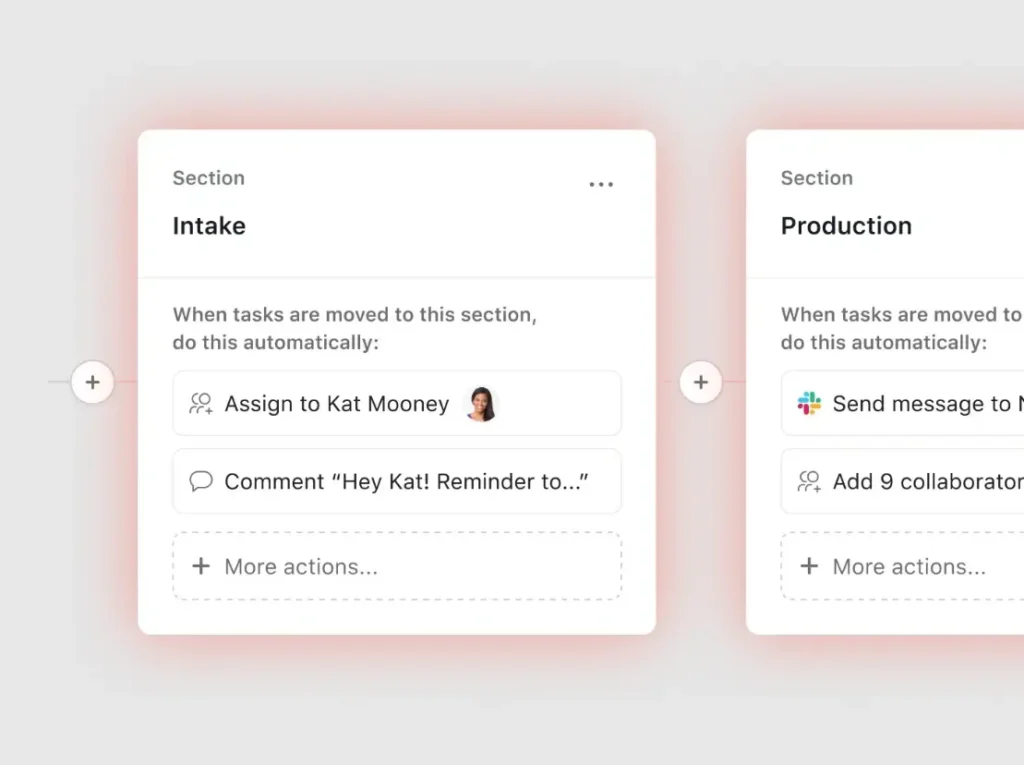
Asana’s automation capabilities are a significant advantage for enterprises. The Workflow Builder allows users to create custom automation workflows without needing extensive technical knowledge. Additionally, Asana’s Enterprise API provides advanced integrations and automation possibilities, enabling organizations to tailor their workflow management to their specific needs.
The Workflow Builder is intuitive and user-friendly, making it accessible to teams across various departments. It enables the automation of repetitive tasks, reducing manual effort and increasing efficiency.
| Feature | Description | Benefit |
|---|---|---|
| Workflow Builder | Custom automation workflows | Reduces manual effort |
| Enterprise API | Advanced integrations | Enhances workflow customization |
| Reporting | Advanced reporting capabilities | Improves project visibility |
By leveraging Asana’s automation capabilities, enterprises can achieve scalable growth and maintain a competitive edge in their respective markets.
Evaluating Modern Project Management Tools for Your Business
Evaluating modern project management tools is crucial for businesses aiming to optimize their workflow. With a myriad of options available, each offering unique features and capabilities, selecting the right tool can be daunting. To make an informed decision, businesses must consider several key factors, including their specific needs, the scalability of the tool, and its integration capabilities with existing systems.
When assessing project management tools, it’s essential to consider the total cost of ownership, including any subscription fees, implementation costs, and training expenses. Additionally, businesses should evaluate the tool’s user interface and experience, ensuring it is intuitive and accessible for all team members.
A comparison of popular project management tools can help businesses identify the best fit. The following table summarizes key features of some leading tools:
| Tool | Core Features | Automation Capability | Scalability |
|---|---|---|---|
| ClickUp | Task management, goal setting, reporting | Native integrations, API access | Highly scalable |
| Notion | Customizable databases, Kanban boards | Zapier and Make.com connectivity | Flexible and adaptable |
| Monday.com | Visual project pipelines, automations | Built-in recipes, API access | Scalable for teams |
By carefully evaluating these factors and comparing the features of different project management tools, businesses can make an informed decision that aligns with their operational needs and enhances their productivity.
Choosing a Tool Based on Your Tech Stack
The key to maximizing efficiency in project management lies in choosing a tool that seamlessly integrates with your current technology infrastructure. This involves a thorough assessment of your existing tech stack and identifying a project management tool that not only complements it but also enhances your overall workflow.
When evaluating potential tools, consider the following key factors:
- The tool’s compatibility with your current software and systems.
- Its ability to adapt to your evolving business needs.
- The ease of integration and any potential disruptions to your workflow.
A tool that integrates well with your tech stack can significantly reduce implementation time and optimize your workflows. For instance, if your team relies heavily on communication platforms like Slack or Microsoft Teams, look for a project management tool that offers native integrations or robust API connectivity to these services.
Moreover, consider the scalability of the tool and its ability to grow with your organization. A flexible tool that can adapt to changing project requirements and team sizes is invaluable. SaaS optimization also plays a critical role in this context, as it ensures that the tool you choose can be optimized for the best performance within your SaaS ecosystem.
In conclusion, choosing a project management tool based on your tech stack is a strategic decision that can have a significant impact on your team’s productivity and efficiency. By carefully evaluating your options and considering factors such as integration, scalability, and SaaS optimization, you can make an informed decision that supports your business goals.
The Role of SaaS Optimization in Scalable Growth
The role of SaaS optimization in driving scalable growth is multifaceted, involving the fine-tuning of software applications for maximum efficiency. In the context of automated project management, SaaS optimization ensures that tools are configured to meet specific business needs, workflows are automated, and performance is continuously monitored.
By optimizing SaaS applications, businesses can significantly enhance productivity and reduce operational costs. This is achieved through the elimination of redundant features, streamlining of workflows, and ensuring that the software is aligned with the organization’s goals.
Key Benefits of SaaS Optimization
- Enhanced productivity through streamlined workflows
- Cost reduction by eliminating unnecessary features and improving resource allocation
- Improved scalability through flexible and adaptable software configurations
| SaaS Optimization Strategies | Benefits | Implementation Tools |
|---|---|---|
| Workflow Automation | Increased Efficiency, Reduced Manual Errors | Zapier, Make.com |
| Performance Monitoring | Real-time Insights, Data-Driven Decisions | Analytics Tools, Custom Dashboards |
| Feature Optimization | Enhanced User Experience, Reduced Costs | User Feedback, Feature Usage Analytics |
In conclusion, SaaS optimization plays a critical role in achieving scalable growth by ensuring that software applications are used efficiently and effectively. By adopting a strategic approach to SaaS optimization, businesses can drive growth, enhance productivity, and maintain a competitive edge in the market.
Overcoming Common Challenges in Workflow Automation
The journey to automated workflows is often fraught with obstacles, but understanding these challenges is the first step to overcoming them. As organizations increasingly adopt automation to streamline their operations, they must also navigate the complexities that come with it.
One of the primary workflow automation challenges is resistance to change from employees. Automation can lead to job displacement fears, making it essential for management to communicate the benefits of automation clearly. Training and support are crucial in helping employees adapt to new automated systems, ensuring a smoother transition.
Technical complexities and integration difficulties are other significant hurdles. To address these, businesses should focus on automation solutions that offer seamless integration with existing systems. This might involve selecting tools with robust API capabilities or opting for vendors that provide comprehensive support during the integration process.
“The key to successful automation is not just about implementing the right technology, but also about managing the change that comes with it.”
— Expert in Workflow Automation
To optimize productivity optimization, it’s vital to continuously monitor and adjust automated workflows. This involves setting up metrics to measure the performance of automated processes and making adjustments as needed. Regular feedback from employees using these systems can also provide valuable insights into areas for improvement.
Moreover, adopting a phased approach to automation can help mitigate risks. By starting with small, manageable projects, organizations can test the waters, so to speak, and gradually scale up their automation efforts.
In conclusion, while workflow automation presents several challenges, a well-planned strategy can help overcome these obstacles. By understanding the common pitfalls and proactively addressing them, businesses can ensure successful automation and reap the benefits of enhanced productivity and efficiency.
Security and Compliance Considerations for Automated Systems
Ensuring the security and compliance of automated project management systems is crucial for protecting sensitive data and maintaining stakeholder trust. As organizations increasingly adopt automation, they must prioritize robust security measures to safeguard their operations.
Automated project management tools handle a vast amount of sensitive information, making them attractive targets for cyber threats. Therefore, it is essential to implement data encryption, access controls, and regular security audits to mitigate these risks.
Compliance with relevant regulations and standards is also vital. Organizations must ensure that their automated systems adhere to industry-specific requirements, such as GDPR for data protection or HIPAA for healthcare-related data. The following table highlights key compliance considerations for automated project management tools:
| Compliance Requirement | Description | Industry/Application |
|---|---|---|
| GDPR | General Data Protection Regulation | Data Protection (EU) |
| HIPAA | Health Insurance Portability and Accountability Act | Healthcare (US) |
| SOX | Sarbanes-Oxley Act | Financial Reporting (US) |
By prioritizing security and compliance, businesses can protect their data, maintain trust with stakeholders, and avoid potential legal and reputational risks. It is also important to regularly review and update security protocols to stay ahead of emerging threats.
In conclusion, as automated project management continues to evolve, the need for robust security and compliance measures will only continue to grow. Organizations must remain vigilant and proactive in addressing these considerations to ensure the integrity and reliability of their automated systems.
Future Trends in Automated Project Management
The future of project management is being rewritten by advancements in automation, AI, and SaaS technologies. As these trends continue to unfold, project management is likely to become even more efficient, predictive, and adaptive.
AI and Machine Learning Integration: One of the most significant trends is the deeper integration of AI and machine learning into project management tools. This integration enables predictive analytics, allowing project managers to anticipate potential delays and make data-driven decisions.
Enhanced Automation Capabilities: Future project management tools will offer more sophisticated automation capabilities, including advanced workflow automation and the ability to automate complex tasks without extensive coding knowledge.
The evolution of SaaS applications is another critical trend. SaaS optimization will play a crucial role in scalable growth, enabling businesses to streamline their operations and improve productivity.
| Trend | Description | Impact |
|---|---|---|
| AI and Machine Learning | Predictive analytics and intelligent decision-making | Enhanced project forecasting and management |
| Enhanced Automation | Advanced workflow automation and task management | Increased efficiency and reduced manual labor |
| SaaS Evolution | Streamlined operations and improved productivity | Scalable growth and competitive advantage |
By staying informed about these developments, businesses can position themselves to leverage the latest advancements and stay ahead of the competition.
Conclusion
As businesses navigate the complexities of modern project management, leveraging the right tools is crucial for success. The 7 project management tools discussed in this article offer a range of automation capabilities that can significantly enhance workflow efficiency and productivity optimization.
By understanding the strengths and features of each tool, organizations can make informed decisions about which project management tools to adopt and how to implement them effectively. Workflow automation is no longer a luxury, but a necessity for businesses to remain competitive.
As the landscape of project management continues to evolve, embracing automation and leveraging the right tools will be essential for achieving productivity optimization and driving business growth.
FAQ
Why is an “automation-first” approach critical for project management tools in 2026?
In 2026, the complexity of global operations requires automated project management to maintain a competitive edge. By prioritizing workflow automation, teams can eliminate repetitive manual entry, reduce human error, and ensure that resources are allocated to high-value strategic initiatives. This shift is essential for productivity optimization and allows organizations to remain scalable in a fast-paced market.
Which are the best project management tools for all-in-one workflow automation
ClickUp is widely regarded as one of the top project management tools for comprehensive automation due to its native integrations and robust API. It allows teams to consolidate their saas automation efforts into a single platform. For those looking for a project management tool comparison, Asana also stands out for its enterprise-grade workflow builder designed to scale complex operations across large organizations.
How does saas optimization contribute to a company’s scalable growth?
SaaS optimization involves the strategic configuration of project management software to ensure tools are working at peak efficiency. By auditing project management tool features and removing redundancies, businesses can lower operational costs and improve output. This ensures that the software stack supports scalable growth rather than becoming a bottleneck as the team expands.
What should I consider when conducting a project management tool comparison for my tech stack?
When reviewing the best project management tools, it is vital to assess how they integrate with your existing software ecosystem. Tools like Jira are indispensable for software developers who need advanced scripting and webhooks, while Notion offers unmatched flexibility through Zapier and Make.com connectivity. Ensuring compatibility with your current tech stack is a core component of successful productivity optimization.
Are there affordable project management tools that offer robust automation?
Yes, there are several affordable project management tools that do not compromise on power. Todoist is excellent for personal and small team productivity optimization, providing third-party syncing and API access. Similarly, Trello utilizes its “Butler” feature to bring high-end workflow automation to simple, collaborative Kanban boards, making it a favorite in many project management tool reviews.
What are the primary project management tool benefits for visual-oriented teams?
For visual teams, Monday.com and Trello offer significant project management tool benefits by turning complex data into intuitive pipelines. These platforms provide automated project management through “recipes” and “Power-Ups,” allowing creative teams to visualize progress without getting bogged down in spreadsheet management, thus enhancing overall saas automation.
How do modern project management tools handle security and compliance in automated workflows?
Leading project management software providers like Atlassian (Jira) and Asana invest heavily in security to protect automated project management systems. Key project management tool features now include data encryption, enterprise-grade API security, and regular compliance audits. This ensures that as you implement workflow automation, your organization remains protected against data breaches and regulatory risks.
What future trends are expected to define the next generation of project management software?
The future of automated project management is heavily focused on the integration of Artificial Intelligence and Machine Learning. We expect to see top project management tools evolve to offer predictive analytics, where the software anticipates project delays and suggests productivity optimization strategies automatically. This evolution will further refine saas optimization for global enterprises.